Calm Spaces, Clear Minds: Morning and Evening Flows That Last
Today we dive into designing morning and evening routines to keep common areas clutter-free, so kitchens breathe, entryways welcome, and living rooms invite conversation. Expect simple habit anchors, realistic time frames, and gentle cues that actually stick. Borrow a few, remix freely, and share your own tweaks in the comments. If you love checklists, subscribe to get a printable reset plan and a tiny soundtrack to make five minutes feel fun, refreshing, and wonderfully consistent for weeks ahead.
Start With Principles That Make Order Automatic
Before chasing storage hacks, shape behaviors. We’ll map habit loops, attach tiny resets to existing actions, and use visual cues to make the tidy choice the lazy choice. Research links visual clutter to stress; less visual noise equals calmer mornings. By engineering convenience and setting compassionate minimums, order becomes automatic rather than heroic. Try, adapt, and tell us what anchor moments work in your home, because your real-life evidence makes this practice smarter for everyone who wants easier, happier shared spaces.
A Morning Flow That Clears the Decks
Mornings thrive on quick, rhythmic touches that restore function without drama. Think ten minutes total: open blinds, run or unload the dishwasher, sweep the entryway glance, and reset living room hotspots. You’re not deep-cleaning; you’re pre-loading the day with momentum. This set of moves shrinks decision fatigue, keeps everyone oriented, and makes returning home after work feel like a relief. If a step consistently stalls you, shorten it, swap it, or skip it. Share what you trim to win time.
An Evening Reset That Respects Rest
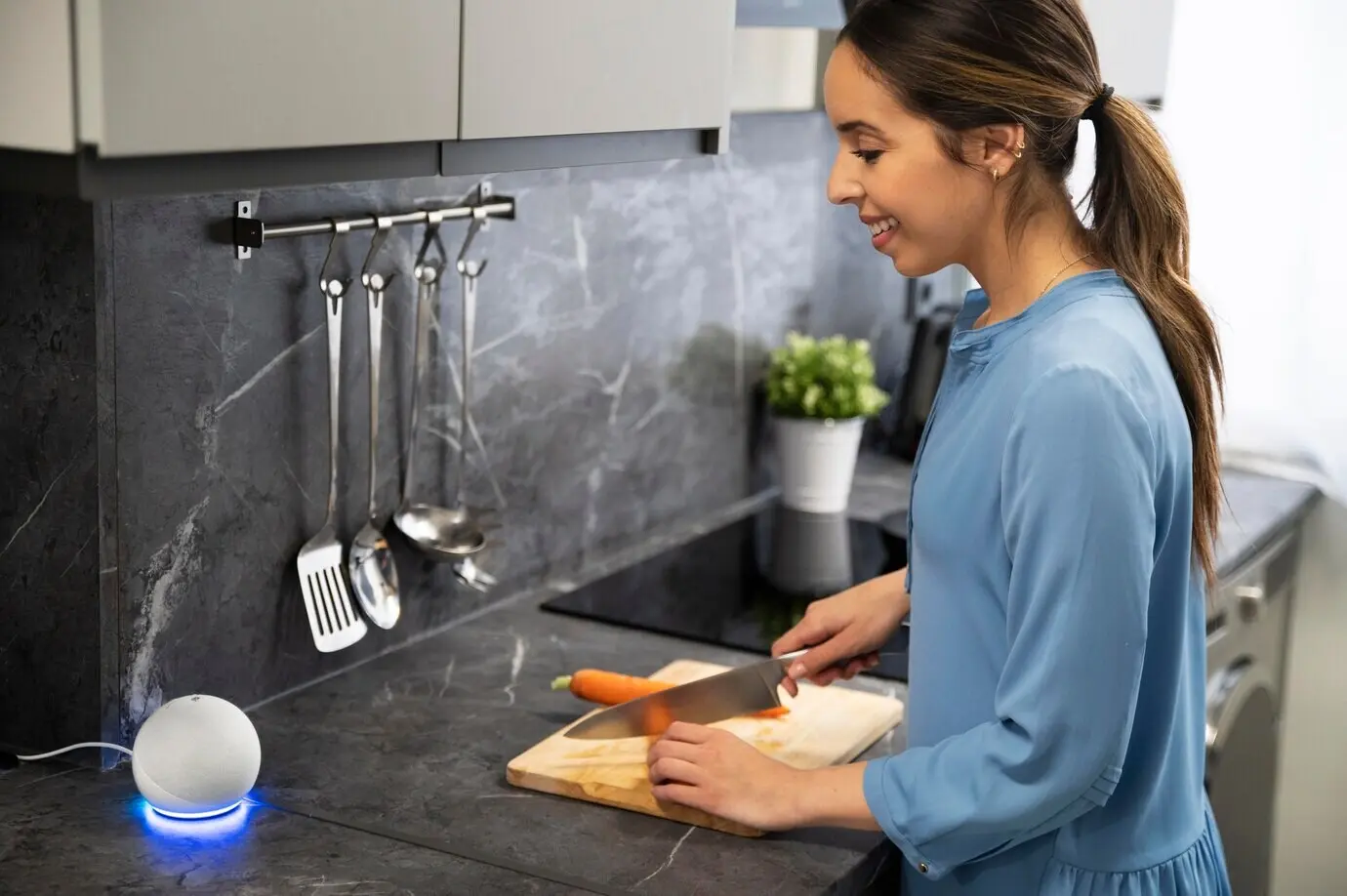
Evenings deserve gentleness. Aim for a calm fifteen-minute reset that stages tomorrow and soothes the senses. You’ll clear counters, finish dishes, set a launchpad, and dim the lights to cue sleep. The goal isn’t perfection; it’s a welcoming morning. Decide what “good enough” looks like on weeknights versus weekends. Make the routine social with music or quiet with a timer, whichever calms you. Share your favorite wind-down song or tea blend, and we’ll build a shared relaxation playlist together.
Smart Zones, Tools, and Cues That Do the Heavy Lifting
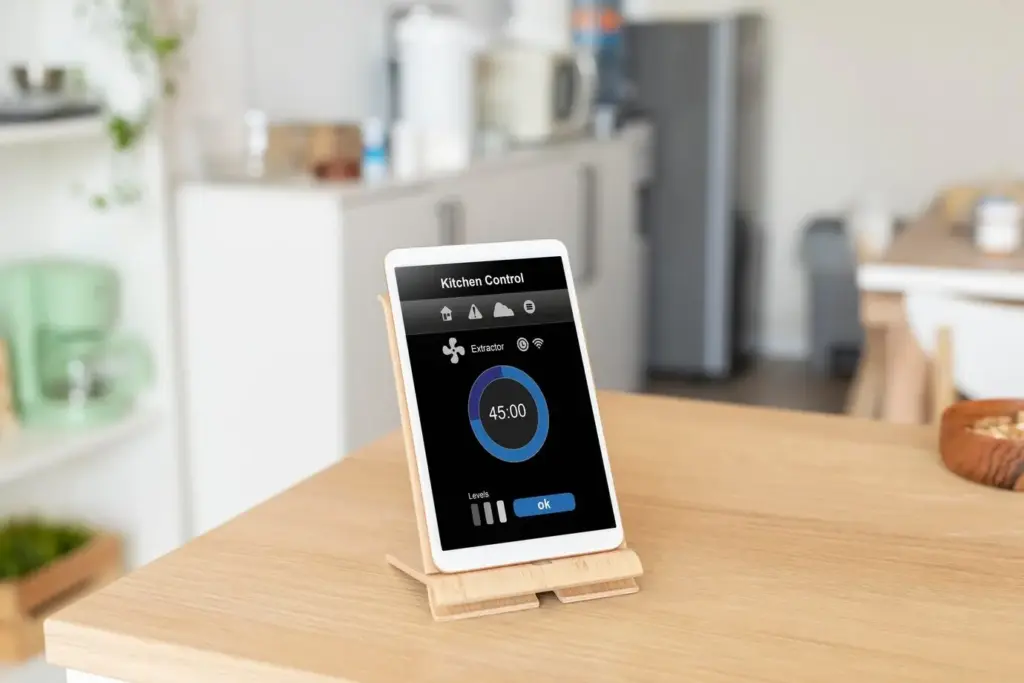
Tools matter when they reduce friction and clarify decisions. Create landing zones, pick containers with purpose, and label for instant understanding. Choose aesthetics you enjoy so using them feels rewarding, not scolding. Build gentle cues—timers, playlists, lighting—so routines start themselves. The right tray can save five minutes daily; the right hook can prevent daily piles. Share your favorite low-cost solution, and we’ll collect reader-tested gear that earns its keep by keeping common areas clear without constant effort or debate.
People Power: Make Cooperation Natural
Shared spaces stay clear when responsibilities feel fair, visible, and doable in minutes. Define micro-roles, rotate pleasantly, and celebrate small wins. Use a whiteboard or shared note app for hotspots and nightly resets. Create default assignments—like mail triage or blanket folding—so nobody wonders. For roommates, agree on clear standards and quiet escalation paths. For families, stack routines after dinner. Tell us what motivates your household—stickers, music, timer races—and we’ll highlight approaches that build goodwill while protecting everyday order together.
Resilience: When Life Gets Messy, Bounce Back Fast
Perfection breaks; resilience keeps order alive. Expect busy weeks, surprise illnesses, and travel. Use a slip-day protocol, a weekend power hour, and seasonal audits to realign. Track leading indicators—clear sink, empty entry tray—not everything. Forgive misses, restart with the smallest action, and let the system flex. Share one obstacle you face most often, and we’ll suggest a tiny countermeasure to test this week. Momentum returns faster than you think when resets are brief, compassionate, and anchored with care.
When routines collapse, run a three-step rescue: choose one shared zone, set a five-minute timer, and clear only what’s visible. Then text an accountability buddy or post in our comments, naming one small tweak you’ll try tomorrow. No shame, just data. Add a low-light lamp and soft music to soothe decision fatigue. This ritual halts clutter creep before it bites. What’s your gentlest restart move—wiping the table, emptying the sink, or fluffing pillows? Share it, and help someone else restart tonight.
Once weekly, run a focused hour to reset deeper hotspots: junk drawer, coffee table piles, shoe explosion, mystery cables. Prep empty bags for donation, recycling, and returns. Play a motivating playlist and take a photo before and after. End with a treat—walk, pastry, favorite show—to anchor satisfaction. Keep a simple list of recurring culprits and cycle through them. Comment with your most surprising twenty-minute win, and we’ll collect bite-size projects that restore clarity without devouring a precious day off.
Each season, audit shared zones with fresh eyes. Retire heavy gear, surface forgotten treasures, and question every container’s purpose. Donate duplicates, repair favorites, and relabel so everyone understands the new map. Swap light throws, refresh the entry mat, and celebrate the shift with a playlist and open windows. Note which clutter patterns faded and which returned. Share one item you finally released and why it felt right now. Your story will encourage someone else to embrace a gentler, lighter home.

All Rights Reserved.