Chores That Flow With Your Week

Today we dive into family chore rotations aligned with weekly schedules, building a calm, repeatable system that respects practices, workloads, and energy. We’ll match tasks to real availability, share practical templates, and highlight small stories from homes that found less friction, more teamwork, and cleaner counters through compassionate planning.

Map the Week Before Assigning a Single Task

Audit the Calendar

Export everyone’s calendars, including school events and deadlines, and set them side by side. Color‑code heavy and light days, then mark fifteen‑minute gaps that reliably exist. This visual snapshot is your puzzle board. The more accurate the inputs, the kinder the outputs. Invite the kids to add missing realities, like band case cleaning or language club, so invisible responsibilities don’t steal energy from assigned chores.

Energy Curves and Time Blocks

Notice when each person tends to be focused or fading. A short, quiet chore like tidying entry shoes might fit post‑dinner, while vacuuming suits an after‑school burst. Matching effort to energy turns obligations into doable routines. One teen who dreaded mornings loved switching to a five‑minute evening sweep, reporting success for the first time in months and fewer family reminders the next day.

Capacity‑Based Assignments

Capacity is time plus energy plus skill. Rank tasks by intensity and pair them with people whose weeks can carry that load. Rotate heavier jobs after particularly demanding periods. When Mom’s quarterly reports hit, she traded deep bathroom scrubs for quick dishwasher resets. The fairness wasn’t just perceived; it was operational, keeping reliability high and preventing the quiet buildup of burnout.

Design Fair Rotations That Actually Stick

Good intentions collapse without structure that flexes. Build rotations that move in predictable patterns, allow easy swaps, and distinguish non‑negotiables from optional helpers. Clarity prevents bargaining battles. A family we met used a simple weekly wheel and a monthly refresh, reducing confusion while keeping the plan alive. Include a check‑in to adjust workloads before resentment accumulates and sabotages the system.

Motivation, Buy‑In, and Family Culture

A rotation works best when everyone sees the shared benefit and feels heard. Hold a kickoff where each person names one pain point and one hope, then co‑creates two house rules and a reward touchstone. The Johnsons promised Saturday pancakes if anchors were complete by bedtime five nights. Small rituals become cultural glue, turning chores from nagging triggers into tiny proof of care and respect.

Kickoff Meeting With Meaning

Start with gratitude, not grievances. Ask what already goes well before proposing changes. Collect everyone’s top constraint and a preferred task category. Decide together on language for reminders—gentle cue words beat sharp commands. Write the plan on one page. When Zach chose pet care by preference, his reliability soared. Feeling chosen, not assigned, helped him transform from reluctant helper to dependable caretaker within two weeks.

Choice and Autonomy Drive Consistency

Offer two options per person within their capacity, and let them choose the order they complete tasks. Autonomy turns obligation into ownership. Celebrate a “streak” of on‑time completion more than speed. When Mia picked either counters or table, she completed both most nights, simply because she started willingly. That quiet psychological shift, from must to choose, grows steadier habits than constant reminders ever could.

Tools and Automations That Do the Heavy Lifting

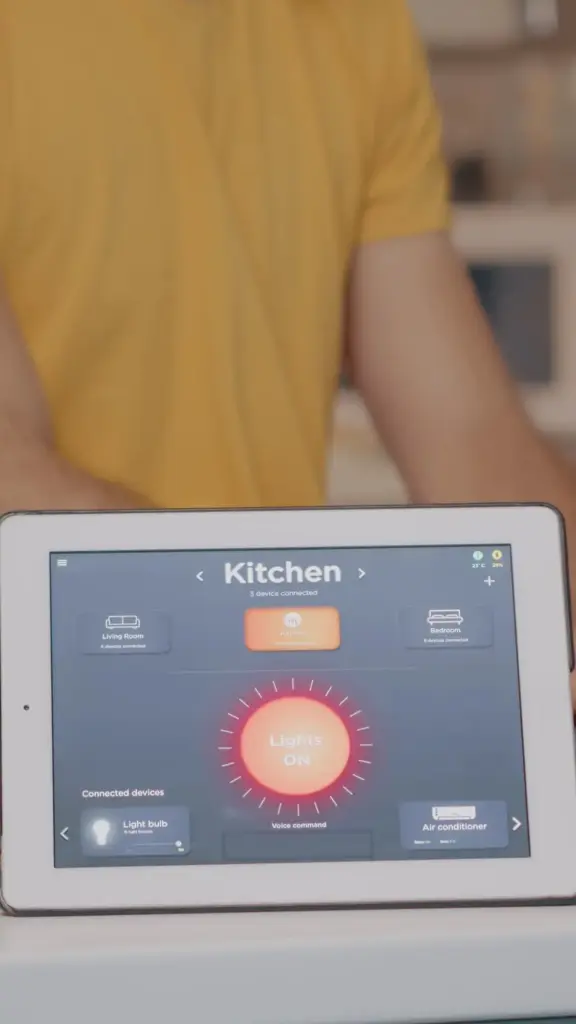
Technology and tangible systems reduce mental load. Automate reminders, centralize assignments, and make progress visible. The right tool is the one your family opens without prompting. The Rivera household synchronized a shared calendar with color icons and a magnetic board near the door. Missed tasks dropped by half, not from stricter policing, but because the next right action became obvious in the flow of daily life.

Shared Calendars and Timely Nudges

Create recurring events with short, friendly reminders tied to actual availability blocks. Use emojis for quick recognition and limit alerts to windows when action is possible. If practice ends at 6:30, ping dishes at 7:05, not 5:00. Aligning nudges with reality prevents alert fatigue. Track completion with quick reactions, keeping accountability lightweight, visible, and emotionally neutral, which helps preserve warm relationships while maintaining dependable follow‑through.

Physical Boards and Visual Cues

A magnetic or dry‑erase board near a traffic hub keeps attention grounded. Use rows for days and columns for people, with anchors pre‑filled and floaters attached as magnets. Add simple done markers kids love moving. Physical visibility fights forgetfulness. Granddad, visiting weekly, could see the plan and pitch in without awkward questions, modeling intergenerational cooperation while quietly celebrating kids’ progress with a thumbs‑up sticker.

Training, Standards, and Quality Without Micromanaging
Define “Done” With Photos and Timers

Photograph the desired result: clear counters, dry sink, aligned towels, trash removed. Pair visuals with short timers so tasks end decisively. A visible finish line reduces procrastination and improves consistency. The family agreed on a ten‑minute cap for nightly resets, which transformed dread into sprint energy. Standards stopped being subjective, and reminders softened into simple questions: does it match the picture within the time?

Short Skill Sprints Build Confidence

Run focused ten‑minute skill sessions on Saturdays to teach one technique—folding fitted sheets, streak‑free mirrors, or safe stove cleaning. Skill beats nagging. Each sprint raises the floor of quality and shortens daily chores. Kids loved aiming for a tiny improvement badge. Within three weekends, laundry piles shrank and towels finally stacked evenly, proving that capability, not pressure, is the fastest route to dependable, independent follow‑through.

Feedback Loops That Encourage, Not Criticize

Keep feedback brief, timely, and specific. Praise the action first, then offer one suggestion: “Great sweep lines, try edges next time.” Rotate who gives feedback so parents are not the only voice. End with gratitude. The mood of coaching matters more than the content. When siblings started trading tips, the household gained momentum, and chores sounded less like judgment and more like a team learning how to win.

Handling Curveballs: Travel, Illness, and Busy Seasons
Life refuses to stay tidy. Build resilience into your rotation with backup roles, simplified modes, and a weekly reset ritual. When schedules explode, aim for “households afloat” standards, not spotless perfection. The Patel family created travel packs with mini supplies and a group chat code word that triggered a lighter plan. Because expectations flexed, habits didn’t break; the system absorbed stress and bounced back stronger.
Loxifanumetutifelonuku
Privacy Overview

This website uses cookies so that we can provide you with the best user experience possible. Cookie information is stored in your browser and performs functions such as recognising you when you return to our website and helping our team to understand which sections of the website you find most interesting and useful.